 A Wonderful Thing
What things in your life are capital W, Wonderful? I don’t mean extraterrestrial nor psychotic but of the earthly domain. Of all the things you can imagine… is it love of family and friends, is it the birth of a child, is it the act of a good Samaritan taking in the homeless or someone dedicating their lives to giving hope and strength somewhere in the world? When you think of it there’s many things that we could say are Wonderful.
.
A Wonderful Thing
What things in your life are capital W, Wonderful? I don’t mean extraterrestrial nor psychotic but of the earthly domain. Of all the things you can imagine… is it love of family and friends, is it the birth of a child, is it the act of a good Samaritan taking in the homeless or someone dedicating their lives to giving hope and strength somewhere in the world? When you think of it there’s many things that we could say are Wonderful.
.
But other than humanitarian. What of nature or science, things we don’t control or can’t participate in some way? Things that happen of their own physical and generative structure. The bursting of a flower bud as the sun draws energy from the soil, the swelling of a chrysalis as the cycle of regeneration unfolds into a moth or butterfly, migratory creatures going through their life patterns. These are truly full of Wonder.
.
Now if humans intervened in any of these natural processes - to artificially improve the colours of the flower, the flavour of the fruit, the strength of muscle, the cultivation of marine life - it’s driven by some business motive. Ultimately personal gratification comes into the equation. When that intervention interferes with nature the outcome is perverted - it loses its Wonder.
.
There’s a long history of viniculture in most countries that has enabled successive generations to indulge their inherited passion. Winemaking is just that - passion. And if that passion is well expressed, an income is a consequence. However, a substantial portion of current day winemaking has been perverted. It’s in man’s makeup to pervert and, in most of the sciences, man attempts to control this aspect of his character to avoid compromising spotlighted endeavours: urine tests in sports, pedigrees for pet breeders, blood samples for thoroughbreds, registering of genetically modified seeds, on and on. But there’s NO amount of testing that could keep pace with the number of wines on shelves. Every agency given the responsibility of ‘policing’ itself has found to be wanting… weighed against a whole industry creating chemicals and ‘enhancing’ ingredients for the wine industry, an industry neither controlled nor regulated but encouraged through monetary incentives. Wine needs to be spotlighted.
.
I’m looking at a 30 cent can (355mL) of President’s Choice Diet Passionfruit, a flavour I associate with some of the best Sauvignon Blanc from New Zealand. Ignoring the carbonated water, malic acid is the first component then some natural flavour followed by potassium citrate, aspartame, potassium benzoate, citrus pectin, gum Arabic, acesulfame-potassium, colour, ester gum, calcium disodium EDTA. A recipe put together by specialists and complying with the Canadian Food and Drug Act - and a soft drink I enjoy (altho' aspartame is said to cause severe reactions as do other sweeteners).
.
Now I’m looking at a bottle of wine. Whatever the country of origin, other than the mention of sulphites, there is no content listed. There’s absolutely no requirement to declare additives on wine labels. There’s no certification of additive-free winemaking facilities, no inspection notices on winery equipment nor teams of inspectors trained to confirm additive-free products and no penalties.
.
A question: If the wine producer doesn’t declare additives resulting in inferred claims of a natural product isn‘t it a level of fraud? And if these additives later are found to have caused medical conditions what are the legal ramifications? And what of the vendor? Doesn’t the vendor become complicit? But how will we even suspect without labelling?
.
If wines were butterflies the sky would be full of diesel operated blimps. Let’s support winemakers driven by passion and bringing Wonder to our enjoyment.
.
My opinion, Ww
.
Note: Googling ‘wine additives‘ brought a startling number of hits. Included were defensive notions from offending winemakers and the condemnation of some wine critics. I found the following relevant:
 It’s been awhile since tasting a group of bubblies. These are mostly extra dry Cavas and some are retastings of previously enjoyed sparkling wines from the cellar. A Riesling, a Pinot Noir and various blends with most being blends of Spanish grapes, Xarel-lo, Macabeo and Parellada. Spain, Canada, US and Italy are represented. Likely not enough to demonstrate style, terroir and grape but it‘s an attempt on a tight budget. Especially for bubblies, a rating number isn’t complete without tasting notes.
Wines are sequenced by rating when tasted.
Cheers, Ww
It’s been awhile since tasting a group of bubblies. These are mostly extra dry Cavas and some are retastings of previously enjoyed sparkling wines from the cellar. A Riesling, a Pinot Noir and various blends with most being blends of Spanish grapes, Xarel-lo, Macabeo and Parellada. Spain, Canada, US and Italy are represented. Likely not enough to demonstrate style, terroir and grape but it‘s an attempt on a tight budget. Especially for bubblies, a rating number isn’t complete without tasting notes.
Wines are sequenced by rating when tasted.
Cheers, Ww
- Domaine Chandon Blanc de Noirs Sparkling Wine NV, 92-2 -- V, California, USA, #100693 $23.95
- Tenuta S. Anna Cuvée Rosé Brut NV, 90-2 -- V, Veneto, Italy, #126300 $15.95
- Codorniu Non Plus Ultra NV, 90-2 -- G, Penedès, Spain, #053660 $20.95
- Konzelmann Sparkling Riesling NV VQA Ontario, 89-2 -- V, Niagara, Canada, #031401 $14.95
- Codorniu Pinot Noir Rosé Brut Cava NV, 88-1 -- V, Penedès, Spain, #665372 $16.95
- Castillo Perelada Reserva Brut Cava, 87 -- V, Penedès, Spain, #114488 $17.95
- Pere Ventura Tresor Brut Nature Cava NV, 83 -- V, Penedès, Spain, #122382 $17.95
- Poema Brut Cava NV, 82 -- V, Penedès, Spain, #121152 $15.95
(G - General listing, V – Vintages, O - Other, r-v - Rating-Value)
 TASTINGS:
CASTILLO PERELADA RESERVA BRUT CAVA, Spain, 11.5% XD, #114488 $17.95 (Tasted September 1, 2009) CS
A Vintages release on June 20, 2009 rated 90/100 and described by Wine & Spirits (Aug. 2005) as “Firm and spicy, this Cava is driven by a baking-spice and apple flavour. It hovers just this side of sweet, checked by the mousse and the spice, a match for Chilean … razor clams gratinéed with parmesan cheese.” My notes: A golden blond in the glass with streams of moderately sized bubbles. A scent of a light yeast front ends an extra dry burst of citrus, refreshing enough for raw oysters, rashers of bacon on rye or a dry speech. Any sweetness is overwhelmed by a medium-bodied lemon zest that continues to a chalk-dry finish. A special bubbly to sip during a happy moment or to gulp with a cold shrimp plate, spicy NZ mussels, flavourful tapas or shaved proscuitto and cheeses. A drink now. 87
.
POEMA BRUT CAVA NV, Penedes, Spain, 11.5% XD, #121152 $15.95 (Tasted September 22, 2009) CS
.
 A Vintages release on August 29, 2009 described by US critic Sandy Block, (Aug. 2008) as “This is one of the real stars. Bone dry, with baked bread aromas and a crisp, lemony apple flavor profile, it's a great wind down wine after work. And the bottle is ultra-classy, always a plus for a sparkler.” My notes: ‘Ultra-classy’? Looks like most other bubblies to me. But ‘bone dry’ it is and there’s a fine burst of bubbles to last throughout a normal sipping period. There’s a fairly neutral nose, a nice creamy mouthfeel and a delicate green apple flavour that doesn’t distract from a fine and full spritz. A touch of cream is left for the finish along with dry apple skin. A refreshing summer time bubbly or have as a passable toast for a special occasion. A drink now and, to me, not a value. 82
.
PERE VENTURA TRESOR BRUT NATURE CAVA NV, Penedès, Spain, 11.5% XD, #122382 $17.95 (Tasted September 17, 2009) CS
.
A Vintages release on August 29, 2009 described by US critic Sandy Block, (Aug. 2008) as “This is one of the real stars. Bone dry, with baked bread aromas and a crisp, lemony apple flavor profile, it's a great wind down wine after work. And the bottle is ultra-classy, always a plus for a sparkler.” My notes: ‘Ultra-classy’? Looks like most other bubblies to me. But ‘bone dry’ it is and there’s a fine burst of bubbles to last throughout a normal sipping period. There’s a fairly neutral nose, a nice creamy mouthfeel and a delicate green apple flavour that doesn’t distract from a fine and full spritz. A touch of cream is left for the finish along with dry apple skin. A refreshing summer time bubbly or have as a passable toast for a special occasion. A drink now and, to me, not a value. 82
.
PERE VENTURA TRESOR BRUT NATURE CAVA NV, Penedès, Spain, 11.5% XD, #122382 $17.95 (Tasted September 17, 2009) CS
.
 A Vintages release on August 1, 2009 described by Wine & Spirit (UK) (July 23, 2007) as “Good limey austerity on the nose with apples and flowers on the palate. A buttery richness and breadth on the palate, too. The bubbles are a bit too fine, but there's plenty of character.” and “Winner of a Gold Medal at the Concours Mondial de Bruxelles 2008.” My notes: A blend of Xarel-lo, Parellada, Macabeo made in a very Brut style and priced more appropriately at $10 in the US. A light straw and an almost imperceptible nose of lemon juice, a nip with the first sip that lasts as a warm, slightly creamy citrus to a very chalk dry end. The bubbles come fast and furious at first but subside quickly leaving a lively spritz. Medium-bodied with a light butter to have with fresh oysters or just sip on a summer afternoon. Not for cellaring, a drink now. 83
.
KONZELMANN SPARKLING RIESLING NV VQA Ontario, Niagara, Canada, 12.5% D, #031401 $14.95 (Retasted September 26, 2009) CS
.
 A Vintages release on May 12, 2007 described as "This refreshing fizz is perfect for a springtime brunch or as an aperitif. Winemaker Herbert Konzelmann uses the Charmat method, which involves secondary fermentation in pressurized tanks, to give this wine its sparkle. Made with 100% Riesling, it's bursting with citrus fruit flavours balanced by racy acidity. Try it with smoked salmon." My notes: Purchased from the 2007 Release and last tasted in November 2007. Rated Ww89 with the comment “A value sparkling - or a sparkling value”. Sold out at the winery and no longer listed at the LCBO. Starts out as a burst of foam and bubbles with the carbon dioxide smart in an apple and yeast nose. Lively bubbles and a light spritz softened by a mild cream provide an interesting background for delicious pear and apple. The fruit carries into a long smooth finish making this a sociable sipper with universal appeal, mildly tart by Spanish standards. Have as an aperitif or with a summer buffet. Has cellared well and should continue for several years. 89
.
DOMAINE CHANDON BLANC DE NOIRS SPARKLING WINE NV, California, USA, 13.0% D, #100693 $23.95 (Retasted September 29, 2009) CS
.
A Vintages release on May 12, 2007 described as "This refreshing fizz is perfect for a springtime brunch or as an aperitif. Winemaker Herbert Konzelmann uses the Charmat method, which involves secondary fermentation in pressurized tanks, to give this wine its sparkle. Made with 100% Riesling, it's bursting with citrus fruit flavours balanced by racy acidity. Try it with smoked salmon." My notes: Purchased from the 2007 Release and last tasted in November 2007. Rated Ww89 with the comment “A value sparkling - or a sparkling value”. Sold out at the winery and no longer listed at the LCBO. Starts out as a burst of foam and bubbles with the carbon dioxide smart in an apple and yeast nose. Lively bubbles and a light spritz softened by a mild cream provide an interesting background for delicious pear and apple. The fruit carries into a long smooth finish making this a sociable sipper with universal appeal, mildly tart by Spanish standards. Have as an aperitif or with a summer buffet. Has cellared well and should continue for several years. 89
.
DOMAINE CHANDON BLANC DE NOIRS SPARKLING WINE NV, California, USA, 13.0% D, #100693 $23.95 (Retasted September 29, 2009) CS
.
 A Vintages release on December 6, 2008 described anonymously as “Moët & Chandon, one of Champagne's most prestigious houses and purveyors of the legendary Dom Pérignon, were among the first to spot the potential for crafting fine sparkling wine in California. Established in the 1970s, Domaine Chandon was the first sparkling wine producer in California to craft wines using the traditional method of Champagne. This festive, ready-to-drink bubbly is soft and elegant with ripe cherry and strawberry aromas as well as notes of vanilla and spice. It's rich but nicely balanced by a seam of crisp acidity. Classic style and a great value too!” My notes: Vintages has released this each December the last few years, this one from December 9, 2006. A retaste on May 26, 2007 noted “… unless [traditional] colour is important… why pay more for 'champagne'?”. Now two dollars more but still a value for a champagne equivalent. A blend of 79% Pinot Noir, 14% Pinot Meunier and 7% Chardonnay with a soft peach hue and scent of a yeast and vanilla tainted melba apple. The sound of fine foam subsiding on pouring and a rim of foam at the end means the mousse follows through from start to finish. Bright, smooth and well balanced marks a very pleasurable toasting bubbly or a casual sipper before dinner. This has kept well since purchase. 92
.
CODORNÍU NON PLUS ULTRA NV, Penedès, Spain, 11.5% D, #053660 $20.95 (Retasted September 24, 2009) CS
.
A Vintages release on December 6, 2008 described anonymously as “Moët & Chandon, one of Champagne's most prestigious houses and purveyors of the legendary Dom Pérignon, were among the first to spot the potential for crafting fine sparkling wine in California. Established in the 1970s, Domaine Chandon was the first sparkling wine producer in California to craft wines using the traditional method of Champagne. This festive, ready-to-drink bubbly is soft and elegant with ripe cherry and strawberry aromas as well as notes of vanilla and spice. It's rich but nicely balanced by a seam of crisp acidity. Classic style and a great value too!” My notes: Vintages has released this each December the last few years, this one from December 9, 2006. A retaste on May 26, 2007 noted “… unless [traditional] colour is important… why pay more for 'champagne'?”. Now two dollars more but still a value for a champagne equivalent. A blend of 79% Pinot Noir, 14% Pinot Meunier and 7% Chardonnay with a soft peach hue and scent of a yeast and vanilla tainted melba apple. The sound of fine foam subsiding on pouring and a rim of foam at the end means the mousse follows through from start to finish. Bright, smooth and well balanced marks a very pleasurable toasting bubbly or a casual sipper before dinner. This has kept well since purchase. 92
.
CODORNÍU NON PLUS ULTRA NV, Penedès, Spain, 11.5% D, #053660 $20.95 (Retasted September 24, 2009) CS
.
 My notes: Last tasted on December 17, 2007 with a rating of Ww91 and the comment ‘A value for a brut of a bubbly.’ This isn’t listed at the LCBO at this time. A blend of Chardonnay(50%), Macabeo(20%), Perelada(20%) and Xarello(10%) having the distinctive nose and flavours of a Spanish bubbly. Brut, pale gold with a burst of foam and continuous stream of fine bubbles. The nose is fresh and half between yeasty and stone fruit in scent. Fine bubbles burst on first sip, dry but with a taint of sweet pear and tart apple then finishing dry with a firm cream and a spicy edge then cream returning. Should be great with fresh oysters or a lobster /crab /shrimp plate. Has cellared well perhaps adding more spice notes. 90
.
CODORNÍU PINOT NOIR ROSÉ BRUT CAVA NV, Penedès, Spain, 12.0% XD, #665372 $16.95 (Tasted September 5, 2009) CS
.
My notes: Last tasted on December 17, 2007 with a rating of Ww91 and the comment ‘A value for a brut of a bubbly.’ This isn’t listed at the LCBO at this time. A blend of Chardonnay(50%), Macabeo(20%), Perelada(20%) and Xarello(10%) having the distinctive nose and flavours of a Spanish bubbly. Brut, pale gold with a burst of foam and continuous stream of fine bubbles. The nose is fresh and half between yeasty and stone fruit in scent. Fine bubbles burst on first sip, dry but with a taint of sweet pear and tart apple then finishing dry with a firm cream and a spicy edge then cream returning. Should be great with fresh oysters or a lobster /crab /shrimp plate. Has cellared well perhaps adding more spice notes. 90
.
CODORNÍU PINOT NOIR ROSÉ BRUT CAVA NV, Penedès, Spain, 12.0% XD, #665372 $16.95 (Tasted September 5, 2009) CS
.  A Vintages release on July 18, 2009 described by New Orleans critic Brenda Maitland (Feb 9, 2009) as “Both well priced and well made, this elegant wine is produced from 100 percent Pinot Noir grapes with a minimum of nine months bottle aging. In the glass, a fine fizz tickles the nose with fragrances of red berries and cherries. It is crisp and vibrant on the palate, and complex raspberry and strawberry flavors mingle with refreshing citrus notes. It's a wonderful wine as an aperitif, with a meal or as a digestif. Serve it with salmon, poultry, fruit and soft cheeses.” My notes: The colour of crushed strawberry, streams of fine to moderately sized bubbles and a scent of watermelon, if you sniff hard, gives this mainly eye appeal in both the spectacular bottle or a glass. Bubbles burst on the palate, dry for sure, smooth with a delicate flavour blended from faint strawberry and watermelon. A polite sipper finishing extra dry, refreshing with some flavour remnants. A great summer time sipper. Have with crab cake appetizers, a King crab leg valentine feast or a lobster fest. It won’t improve through cellaring but could keep for a few years. Drinking well now. 88
.
TENUTA S. ANNA CUVÉE ROSÉ BRUT NV, Veneto, Italy, 11.5% D, #126300 $15.95 (Tasted September 11, 2009) CS
.
A Vintages release on July 18, 2009 described by New Orleans critic Brenda Maitland (Feb 9, 2009) as “Both well priced and well made, this elegant wine is produced from 100 percent Pinot Noir grapes with a minimum of nine months bottle aging. In the glass, a fine fizz tickles the nose with fragrances of red berries and cherries. It is crisp and vibrant on the palate, and complex raspberry and strawberry flavors mingle with refreshing citrus notes. It's a wonderful wine as an aperitif, with a meal or as a digestif. Serve it with salmon, poultry, fruit and soft cheeses.” My notes: The colour of crushed strawberry, streams of fine to moderately sized bubbles and a scent of watermelon, if you sniff hard, gives this mainly eye appeal in both the spectacular bottle or a glass. Bubbles burst on the palate, dry for sure, smooth with a delicate flavour blended from faint strawberry and watermelon. A polite sipper finishing extra dry, refreshing with some flavour remnants. A great summer time sipper. Have with crab cake appetizers, a King crab leg valentine feast or a lobster fest. It won’t improve through cellaring but could keep for a few years. Drinking well now. 88
.
TENUTA S. ANNA CUVÉE ROSÉ BRUT NV, Veneto, Italy, 11.5% D, #126300 $15.95 (Tasted September 11, 2009) CS
. 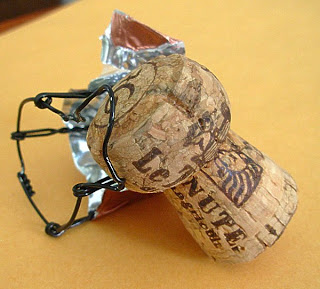 A Vintages release on August 15, 2009 described by their Panel (June 2009) as “Pale peachy pink in colour, this refreshing rosé fizz is a blend of 70% Pinot Nero (Pinot Noir) and 30% Merlot. The nose offers aromas of candied strawberry, pink grapefruit, sweet redcurrants and pear. It's dry, light-bodied with an easygoing round texture. Bright flavours of strawberry, red berries and tangerine are balanced by a gentle effervescence and zesty acidity. It's terrific as a summer afternoon sipper or pair with seared salmon.” My notes: There is a strong peachy tone to this delicately coloured rosé and the aroma is a grassy yeast. Lots of bubbles of all sizes come on pouring with enough left for a few streams. Satin smooth with a fine spritzy, strawberry, watermelon and pear flavour blend, a good tang and just a touch of sweetness makes this a delightful sipper. The finish is more of the same gradually ebbing leading to another sip. Have with three corner sandwiches: tuna, ham and pickle, chicken salad, lobster bisque or crab cakes - a versatile bubbly. A value now that should keep for a few more years. 90
Time to say No…
There are many good things that I miss about Victoria B.C. where we lived for three years. The one related to wine is the small store on upper Church Street. I forget the name and don’t even know if it’s still there but it was a special place.
.
Ordering wine by the bottle or the case I could depend on the proprietor’s recommendations. Owned by a roughly hewn retiree who recounted trips to vineyards close by and far off, living the terroirs in his nostrils and 'buds, working first with the young shoots stripping away sucklings to nurture stronger growth of luscious fruit he’d later sample as he hand harvested on contract. He no longer travelled the tilled ruts but left with many personal relationships of winemakers and wineries later needed for his niche in the wine trade. His shelves were of consistently reliable labels vintage after vintage. I miss the occasion to chat, to swirl and sip, as I stocked my cellar without conscious concern.
.
Fast forward to Ontario. Buying cautiously has become the norm. Try a bottle, try another and yet another. Not quite like buying a Lotto 649 ticket but close. And I’m confident layers of executive dine sumptuously on my monthly wine tab - and yet another bureaucracy returning unearned taxes to the government of the day. Don’t get me wrong - this rant separates the ‘outlet staff’ from the echelon driving the LCBO marketing policy. The service is always courteous. The LCBO publications are slick with ideas. Their seminar coordinators eagerly offer excellent food and drink tips. However, the marketing principle lubricates a mythology of one commercial brand on top of another without distinction for quality or value. Sell, sell, sell. Buy, buy, buy.
.
The LCBO has and will continue to have a major role in Ontario’s winescape. It’s time though to introduce private enterprise into the equation. Expand the LCBO to serve locations where private retailers would not survive - a welcomed government intervention. But lift the restraints to private initiative. Allow wine merchants a license to procure and sell wines of their choosing. If the corner mom and pop wants to sell nonVQA, Yellow Tail, French Cross or whatever license them too. Provide an infrastructure to introduce wine stores that specialize not only in wines but also accessories: glasses, coolers, cellar space, picnic accessories - whatever. Allow the craft wineries of Niagara to sell product through these merchants without bureaucratic encumbrances. Imagine wines of the world coming to a store near you!
.
What prompted this rant? Marcus Gee’s column (G&M, August 29) states its “Time to say No to the LCBO”. I say it’s past time. Relying on a profit and tax motivated business to source ’value’ wines doesn’t serve the customer. It’s just not acceptable.
.
I miss my old friend… and the integrity and truthfulness for each label on his time worn shelves.
.
A melancholy Ww
 Too often a wine rated a respectable 4 stars (87-89) will be average to plonk (less than 82) when I taste it. I can’t imagine that my taste buds are aligned so differently to explain such a discrepancy. So quite awhile ago I started tracking many of the factors going into a rating: the reviewer, the date of tasting, the occurrence of anonymous and undated tasting notes… anything that would give me a clue of what was going on. On the verge of an obsession? Maybe…. I think of it as being aware.
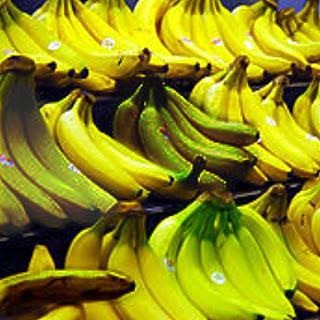
Now, if a bottle took on the chameleon characteristics of a banana there wouldn’t be any difficulty ‘reading a wine’. Bright green - lay down awhile, bright yellow - ‘drink now’ and brown spotted - past due. How many times have I read ‘magic in a bottle‘, a ‘fruit bomb‘, ‘buy a case’ when the truth is don’t touch it with a barge pole. How many times have I seen a wine re-released by Vintages only to find it’s well past due… in my imagination a bottle from a previous release, unsold, then left to languish in the warehouse until memories have faded. It’s brought out of retirement described anonymously and undated as ‘Pure magic of Merlot’.
Lacking the banana capability the underlying foundation starting my selection process is a rating. Don’t ask me to read more than a dozen tasting notes - it’s not going to happen.
When I look for a rating - whether stars, corks, thumbs up/down or a number - I’m looking for a quick comparison of wines. It allows me to quickly eliminate ninety percent of the wines on a Vintages list or in a Vines magazine - perhaps retaining a few of the ‘discards’ in my initial cull. Now a dozen or so wines are being considered and I go to their tasting notes. That’s when descriptors such as body, texture, grape variety or blend stir something in my thought process. It’s a left-brain right-brain thing… it’s when I‘m thinking of aromas, food flavours or a happening. Often a country or region and/or the name on the bottle stirs a memory, positive or negative. Seldom does marketing come into it: bottle appearance, ‘kewl’ phrasing, sexual innuendos, etc. and I stopped reading backs of labels years ago.
This whole process is completed in, at most, a minute or two.
There’s a common controversy among wine articles now and then, sometimes it’s subtle sometimes not. The controversy is with Robert Parker Jr.’s 100 point rating system. The argument often is “How can a number represent the merit of a wine?” The simple answer is ‘It doesn’t!’ and I extend this to ‘… and was never intended!“ The question is simply a red herring in an author’s dialogue where he already has decided he doesn’t want to keep score.
Arguing against the point system is tantamount to a jury listening throughout a trial and not coming to a verdict. It’s like watching a football game and not keeping score… throwing darts and not marking points. Numbers don’t tell you how the game was played - just the result. Tell me Tiger Woods is 7 under versus Mike Weir’s -6 coming up the last nine and I’m interested.
Ultimately whether there is a number or not I must deal with the source! Is it FOX News or CNN? The Toronto Star or the G&M? All best analyses could be wasted if the source isn’t known. And I mean KNOW the source. I mean how often has my taste differed. How often are claims exaggerated. I’m not saying my ‘blackberry’ differs from his/her 'black currant’ but does ’stone fruit’ really mean ’stagnant pond’? Does verbal eloquence obfuscate truth?
Until someone invents a banana skinned bottle it’s Buyer Beware.
My opinion, Ww
 A Wonderful Thing


